

What Cable Should I Use for My Security Camera System?
Most people focus on cameras. Professionals focus on the cable. Here’s a real-world guide based on actual CCTV installation experience, field failures, and what truly works in long-term projects.
When people install a security camera system, most attention goes toward the camera brand, storage, or mobile app.
But in real-world installations, the cable is often the difference between a stable CCTV setup and a system full of problems.
A good camera with a bad cable still gives a bad result.
Why Choosing the Right CCTV Cable Matters
Many people think a cable is “just a cable.” But low-quality security camera cables can create serious issues later.
- No signal problems
- Power drop over distance
- Moisture damage
- Camera flickering
- Night vision instability
- Frequent maintenance complaints
Who Usually Asks This Question?
In our experience, this question mostly comes from:
- CCTV Installers
- IT Departments
- Shop Owners
- Home Users
- Office Projects
And surprisingly, most people make the same mistake: they focus only on the brand name printed on the box.
Analog vs IP Camera: Cable Choice Changes
Analog CCTV Cameras
Analog systems generally use coaxial cable setups and are suitable for shorter-distance budget projects when the material quality is genuine.
IP Camera Systems
IP cameras require more stable data transmission. Cable quality becomes far more important in these installations.
| Camera Type | Recommended Focus |
|---|---|
| Analog CCTV | Stable signal + budget balance |
| IP Camera | Pure copper + stable transmission |
Copper vs CCA Cable — The Honest Answer
Many blogs simply say: “CCA is bad. Only use copper.”
Real-world installations are more practical than that.
When CCA Cable Can Work
- Short-distance installations
- Budget-sensitive projects
- Limited power requirements
When Pure Copper Is Better
- Long-distance transmission
- Outdoor installations
- High reliability requirements
- Continuous operation systems
Copper performs more reliably in demanding outdoor environments and long-distance CCTV installations.
Biggest Mistakes People Make
1. Using Indoor Cable Outdoors
Outdoor environments expose cables to:
- Heat
- Rain
- Moisture
- Sunlight
- Physical stress
Indoor cables are simply not designed for those conditions.
2. Using Cheap Cable for Long Distances
Many installers try saving money on long cable runs, but later face voltage drop and unstable signal issues.
The Hidden Problem Nobody Talks About
One of the biggest issues in the Indian CCTV market today is fake copper claims.
We’ve seen customers try products sold under known brand names, only to later discover the internal material quality was not genuine.
One customer told us they had already tried products sold under premium brand names in their project, but later discovered the material quality was not original.
How to Identify a Good CCTV Cable
- Check the weight
- Observe copper color
- Inspect packaging quality
- Verify warranty support
Final Thoughts
There is no single “best” CCTV cable for every project.
The right cable depends on:
- Analog vs IP camera
- Indoor or outdoor installation
- Distance
- Budget
- Weather conditions
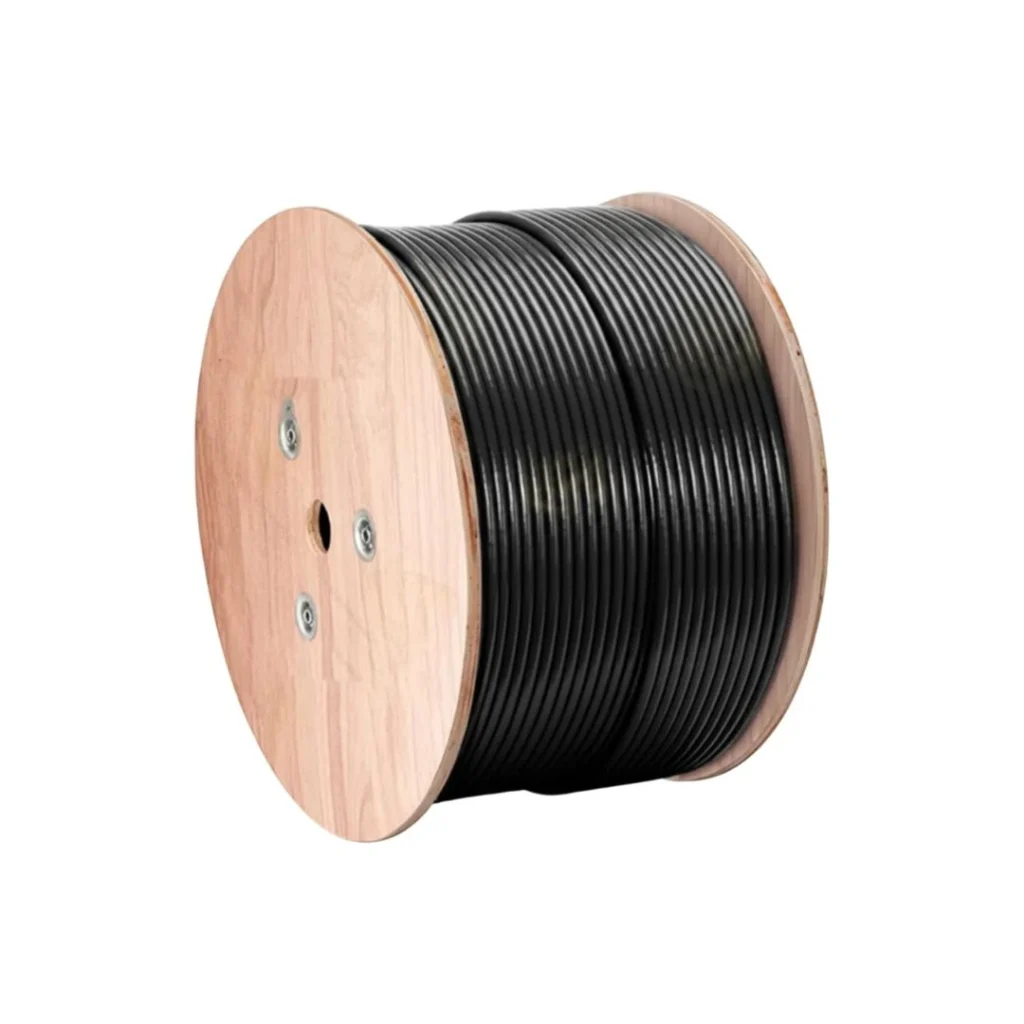
Security Camera System: Outdoor CAT6 Cable for all weather
Visit the GMA